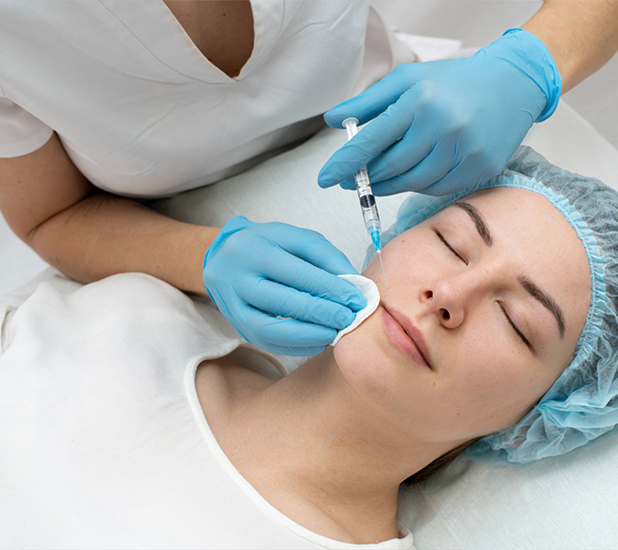
Skin concerns often develop gradually over time. Acne scars, fine lines, enlarged pores, uneven texture, and a dull complexion- these are things many people deal with even when they’re consistent about their skincare routine. Topical products do a lot of good, but they have limits.
Deeper structural changes happening beneath the surface often need something more targeted. Microneedling offers a minimally invasive way to get there. Rather than relying on surgery or extensive downtime, this treatment encourages collagen and elastin production to improve skin texture, firmness, and overall tone.
It has become a popular option for individuals seeking gradual, natural-looking improvements with long-lasting benefits.
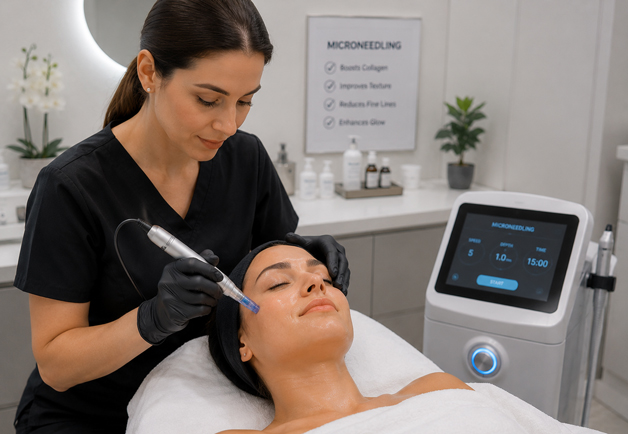
Microneedling, also called collagen induction therapy, uses a device fitted with fine, sterile needles to create tiny controlled punctures across the skin’s surface. The term “micro-injuries” sounds worse than the experience actually is. These are carefully calibrated entry points designed to activate the body’s repair process, not damage the skin.
When the skin detects those microchannels, it responds by producing collagen and elastin, the structural proteins that keep skin firm, smooth, and resilient. That response is what drives the results. The treatment works well on the face and can also be applied to the neck, chest, hands, and other areas where skin quality has declined over time.
The microchannels also allow professional-grade serums to penetrate more deeply into the skin than they could at the surface alone, adding hydration and repair benefits on top of the mechanical stimulation.
Over the weeks that follow, the skin becomes gradually smoother, firmer, and more even in both tone and texture.
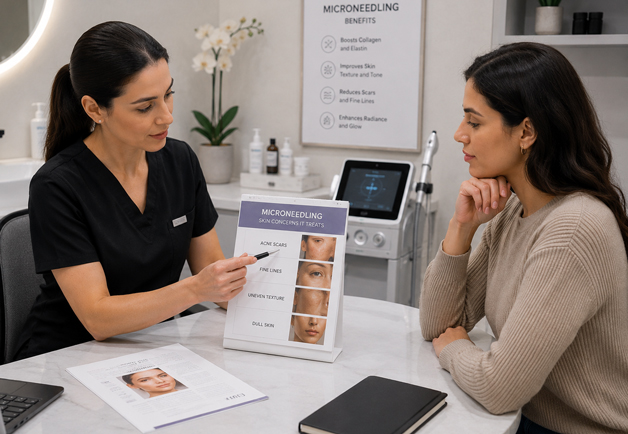
Microneedling facial treatment suits a wide range of adults looking to improve the appearance and feel of their skin. It works particularly well for those who have:
Because the treatment triggers the skin’s own repair mechanisms, it is considered safe for many different skin tones when performed by a trained provider.
It is not suitable for everyone. Active acne breakouts, skin infections, certain inflammatory skin conditions, and pregnancy are all reasons to hold off. A proper consultation before booking ensures the treatment is actually right for your skin.

New skin cell production creates a noticeably softer surface over time.

The collagen boost that follows treatment gradually firms the skin and softens visible aging.
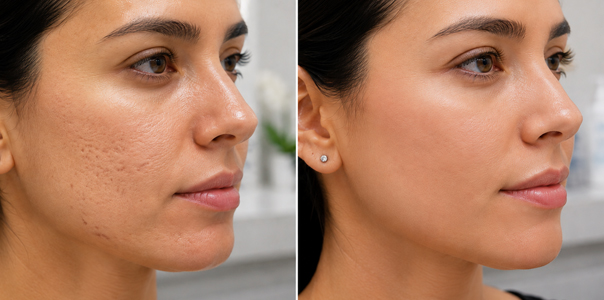
With repeated sessions, the scar tissue beneath your skin starts to remodel itself, and those shallow scars become a lot less noticeable.
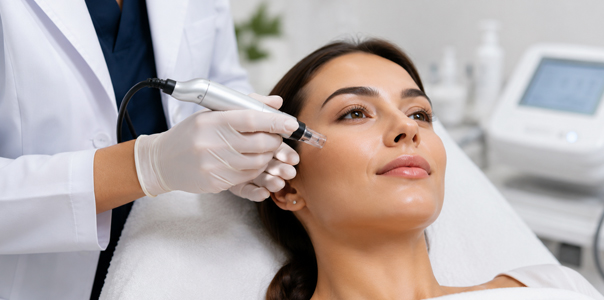
As collagen builds up in the skin around your pores, they naturally start looking smaller.
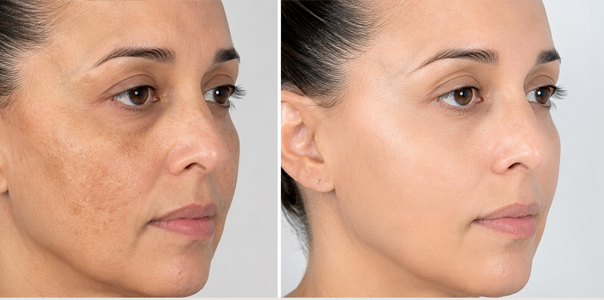
Uneven pigmentation responds well to this kind of collagen remodeling, leaving you with a brighter, more balanced complexion.
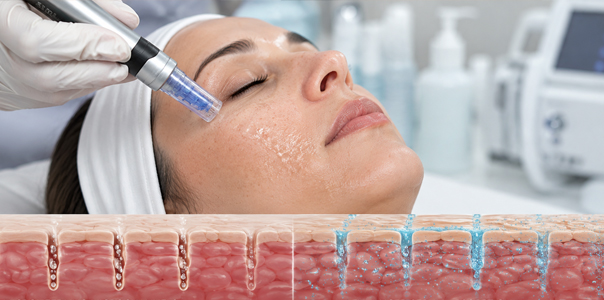
Those microchannels created during treatment let whatever skincare you apply afterward actually sink in and do its job.

People return to their routine within 1 to 2 days, making microneedling a non-invasive skin resurfacing technique.
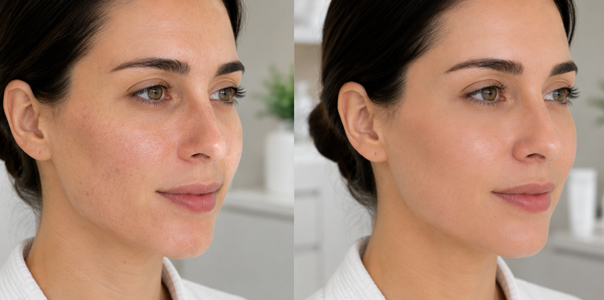
They develop gradually and depend on the skin’s natural ability to regenerate.
Your microneedling facial treatment provider reviews your skin, discusses your concerns, and confirms whether microneedling is appropriate based on your medical history and skin condition.
Skin preparationThe treatment area is cleansed, and numbing cream is applied approximately 20 to 30 minutes before the procedure begins.
The treatment itselfA professional microneedling device is used to treat the targeted areas. The sensation is typically mild; most patients describe pressure or light vibration throughout.
Post-Treatment CareRight after your session, calming serums or hydrating products go on to ease redness and kickstart the healing process. Before you head out, your provider walks you through exactly how to care for your skin over the next few days, so your results actually stick, and your skin heals the way it should.
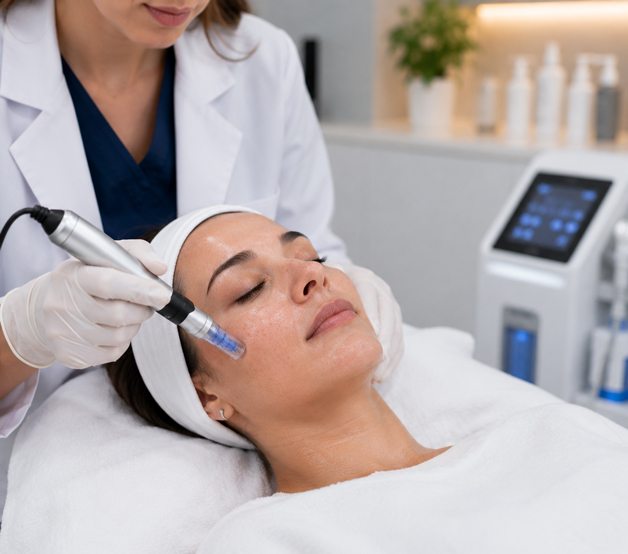
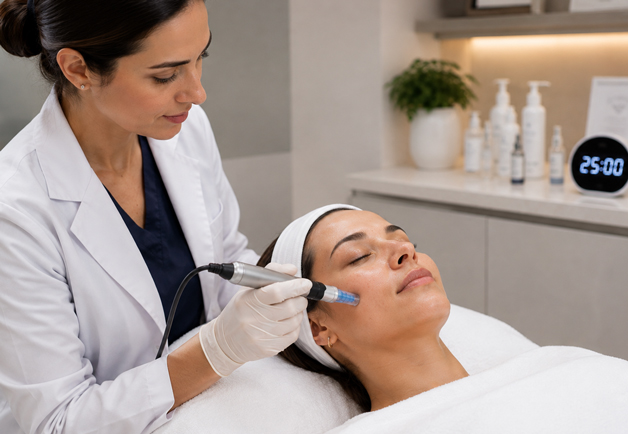
This really comes down to the area you’re treating and what your skin needs. A smaller spot won’t take long at all, while bigger areas like your neck or chest will naturally require more time.
Your appointment usually covers a few things: a quick consultation if you need one, getting your skin ready, the actual treatment, and then a walkthrough of how to take care of your skin afterward. Your provider talks you through each part as it happens, so you’re never left wondering what’s next.
One session can show real improvement on its own, but most skin concerns respond
better when you stick with a full course of treatments rather than a single visit.
| Skin Concern | Recommended Sessions |
|---|---|
| General skin rejuvenation | 3 to 4 sessions |
| Fine lines and mild wrinkles | 3 to 6 sessions |
| Acne scars | 4 to 6 sessions |
| Hyperpigmentation | 3 to 5 sessions |
| Stretch marks | 4 to 8 sessions |
Treatments usually take place at four-to six-week intervals so that the skin has enough time to heal and form new collagen before the next session. Treatment maintenance sessions should take place six to twelve months apart for the best results.
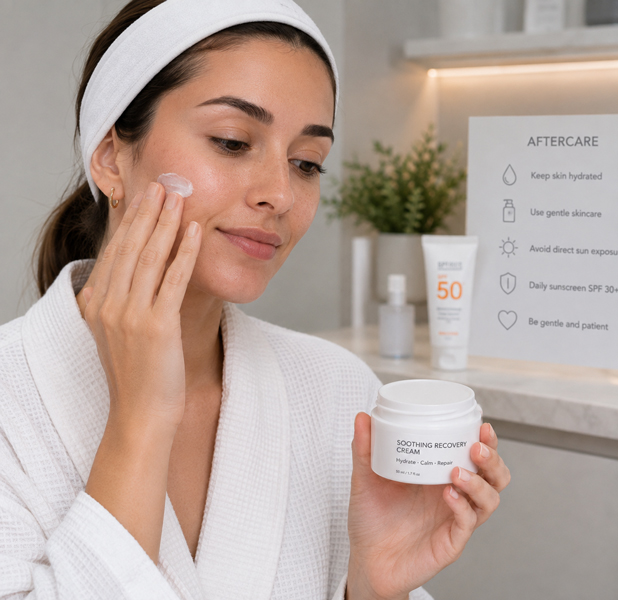
Recovery is relatively easy. Redness, swelling, and skin sensitivity are expected immediately after treatment. The feeling is often compared to a mild sunburn. These effects usually settle within 24 to 72 hours.
To support healing:
Real improvements start showing up within a few weeks as collagen production gets going, and the skin keeps refining itself over the months that follow.


Pain tolerance varies from person to person, but the vast majority of patients get through it without much trouble. A numbing cream is applied well before the device touches the skin, so by the time treatment starts, most of the discomfort is already taken off the table. What people tend to feel is closer to light pressure or a faint scratching sensation- not something most would describe as painful.
Some patients walk out, noticing their skin already looks a bit brighter. More substantial changes- smoother texture, improved tone- typically show up over the following weeks. Since the whole mechanism relies on collagen rebuilding itself, the process doesn’t stop when you leave the office. Skin can keep improving for several months after a session.
For most people, not much. Some redness and sensitivity right after treatment are completely normal and tend to settle within a couple of days. Most patients go back to their regular routine fairly quickly- it’s one of the reasons microneedling appeals to people who don’t have the time or interest in a lengthy recovery.
Yes. Microneedling is one of the more effective non-surgical options for mild to moderate acne scars, working by remodeling collagen beneath the skin’s surface.
When performed by a qualified professional, microneedling is generally safe across a wide range of skin tones. A consultation confirms whether it suits your specific skin.
Most providers recommend waiting at least 24 hours to let the skin begin healing before applying anything.
This will depend on factors such as age, state of the skin, and skin care regimen. These can make the results last much longer.
Microneedling is often combined with other skin rejuvenation treatments to enhance results. Depending on your skin concerns and goals, your provider may recommend treatments such as:
A personalized plan ensures each treatment supports the others rather than working in isolation.
No two people have the same skin, which is exactly why we start by getting to know yours. When you come in, we’ll take a close look at your skin, talk through what you’re hoping to achieve, go over your medical history, and put together a microneedling plan that actually fits your needs.
Maybe you’re dealing with acne scars that won’t fade, lines that are starting to show up, uneven texture, or you just want your skin to look healthier overall. Microneedling can get you real, natural-looking results without taking over your schedule. Book your consultation today and find out what a plan built for you can actually do.
chiaesthetics© 2026 All Rights Reserved
Privacy PolicyWeb Design by SoftSystemSolution.com


 (631) 315-3883